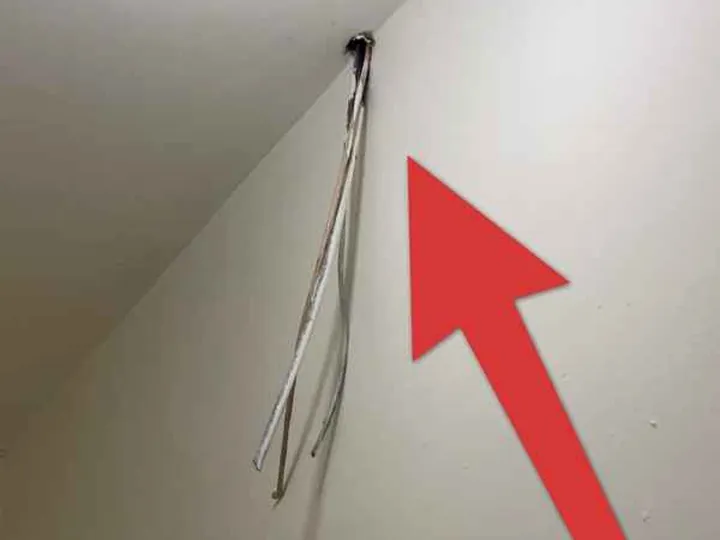
Electrical is my strongest trade. It’s where I started, and it’s where I see a lot of inspectors go soft. In Metro Detroit, where a lot of houses are 50 to 100 years old, it matters.
Knob-and-tube wiring
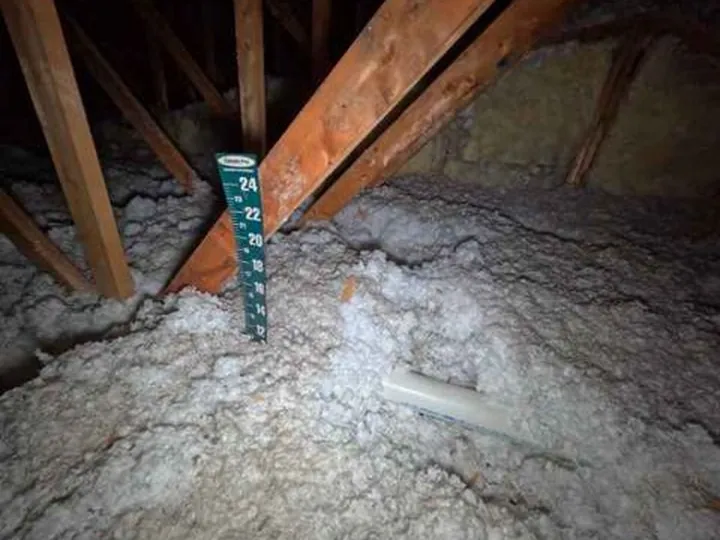
The original wiring in a lot of pre-1950 houses: single wires run on ceramic knobs and through ceramic tubes. On a recent Southfield inspection, the wiring method was knob-and-tube, there were fuses instead of breakers, and there was no GFCI or AFCI protection anywhere I could find.
Why it matters: it has no ground conductor, the insulation is decades old, and it was never meant to be buried in attic insulation or carry modern loads. Many insurance carriers restrict or decline coverage for homes with active knob-and-tube. Talk to your insurance agent before you close, not after.
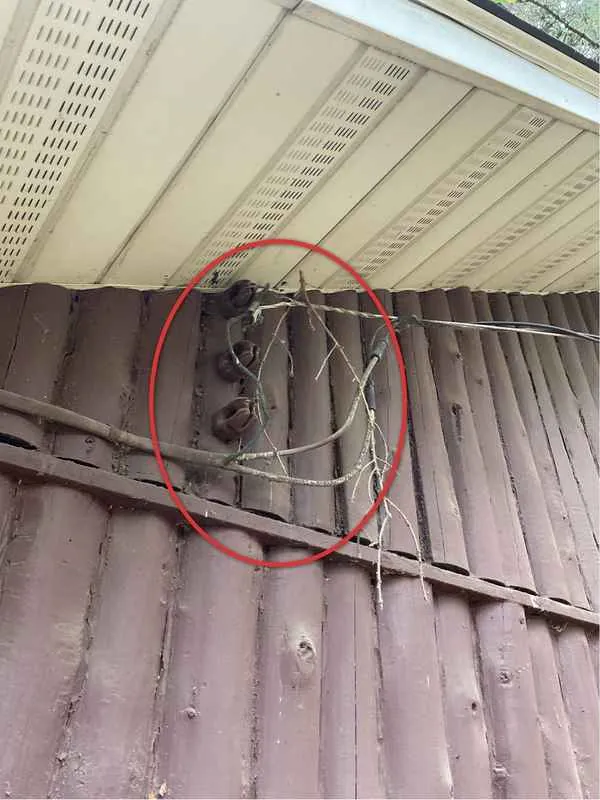
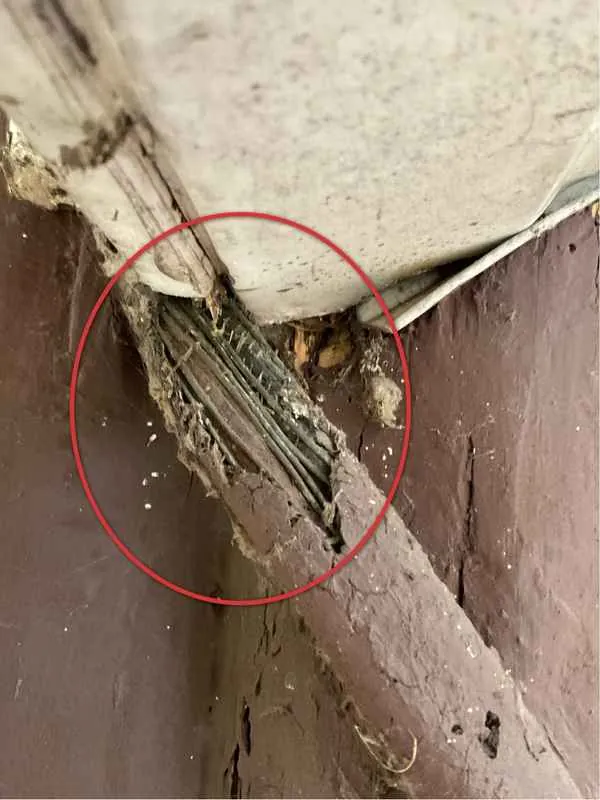
Exposed and damaged service cable
Same house: the service entrance cable at the eave had its outer jacket worn away. That’s the big wire bringing power from the utility into the house, and it’s not something you want weathered and open. That’s a red item and a licensed electrician call. Anything at the overhead lines themselves is the utility’s, so call them, and don’t touch it yourself.
Aluminum branch wiring
Some houses from the 1960s and ’70s were wired with aluminum branch circuits. I’ve written it up on more than one house this fall. The issue is the connections: aluminum expands and contracts more than copper, connections loosen over time, and loose connections run hot. It’s fixable. A licensed electrician evaluates it and corrects the connections with methods made for aluminum.
Fuse panels, double taps and outlets that lie
- Fuse panels. Not automatically dangerous, but old, often over-fused by previous owners, and another one insurance carriers ask about.
- Double taps. Two wires under a single breaker screw that’s only made for one. One of the most common things I find inside a panel.
- Ungrounded three-prong outlets. Someone swapped two-prong outlets for three-prong without a ground behind them. My tester finds them. Your surge protector doesn’t know the difference.
- Missing GFCI protection. Kitchens, baths, garages, basements and outside. GFCI protection shuts off power when current leaks to ground, like through a person. Missing GFCI is one of my most common write-ups on older houses.
DIY wiring
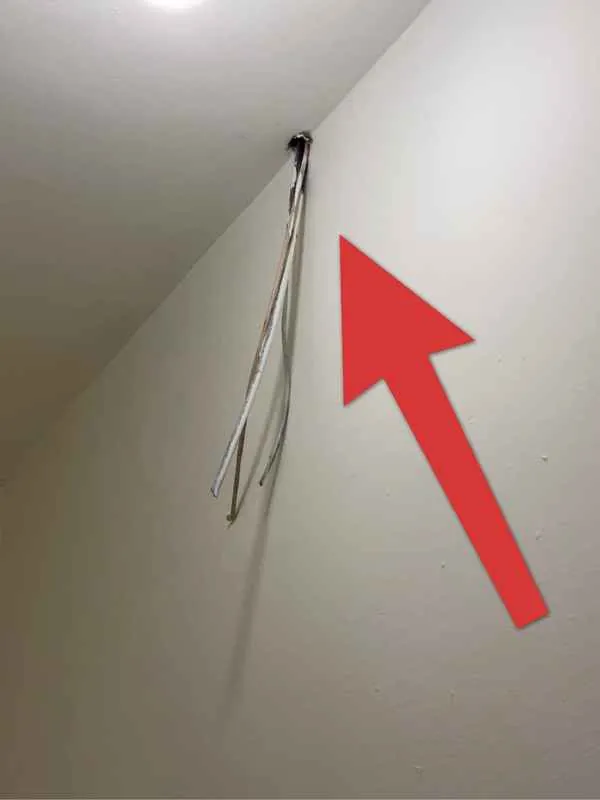
The scariest stuff usually isn’t old. It’s amateur. Wires hanging out of walls with no box, cut-off wires above the trim, open boxes in cabinets. I wrote one up as Squawk 004. When I see that, I tell my clients to have a licensed electrician go through the whole house, not just the spots in my photos.
What I do on every inspection
I open the panel (when it’s safe to), look at the wiring and breakers, check a representative number of outlets with a tester, test GFCIs, and run a targeted FLIR thermal scan at the panel to look for hot spots. Wiring inside walls can’t be seen without opening walls, and I say so in the report.
I don’t tell you what the fix costs. I tell you what it is, why it matters and that a licensed electrician should look at it. Then your agent and your electrician take it from there.
Buying an older home?
Book a buyer inspection from $449. Older and pre-1950 homes take a slower look, and you’ll see any age adjustment on the pricing page before you book. Targeted FLIR thermal scan on every one, plus the $3,000 InterNACHI® warranty on buyer inspections.
— KyleKyle Winn · Owner & Inspector · PreFlight Home Inspections · 586-522-8733