Home › Blog › Winter Home Inspections
Buying a house this winter? Smart. Less competition, more motivated sellers. But a winter inspection is a different animal, and you should know going in what changes.
Snow on the roof
Snow covers shingles. Nobody can inspect what they can’t see, and I won’t pretend otherwise. If the roof is covered, the report says so, plainly, as a limitation.
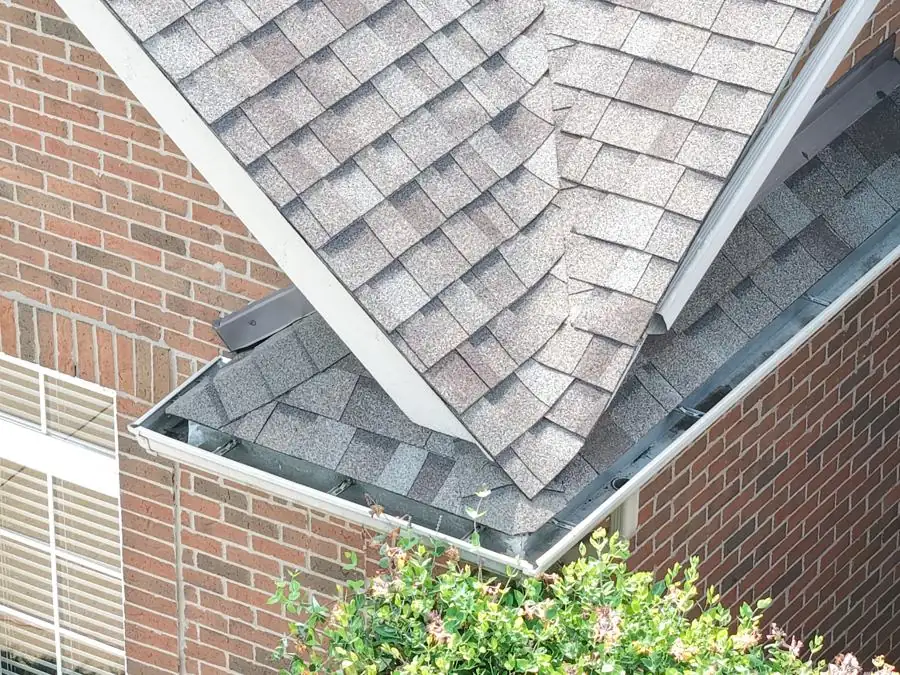
The drone still goes up (airspace and weather permitting). It shows me the edges, the flashing, the vents, the chimney and anything that’s melted off. Then I go into the attic with the camera and look at the underside of the roof deck. Stains, frost on the nails, damp sheathing, that’s the roof telling on itself from underneath.
Big icicles and ice dams along the eaves tell a story too. Usually heat escaping into the attic and melting snow from below.
The AC can’t be run
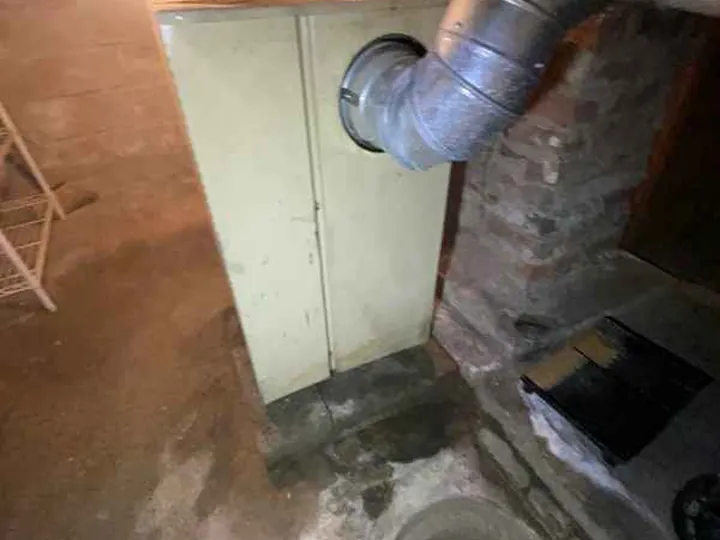
Running an air conditioner when it’s below about 60–65°F outside can damage the compressor. So I don’t. I’ll tell you its age, its condition, what I could see and what I couldn’t, and it goes in the report as a limitation. If the AC matters to you, ask your agent about getting it checked once it warms up.
The heat gets a real workout
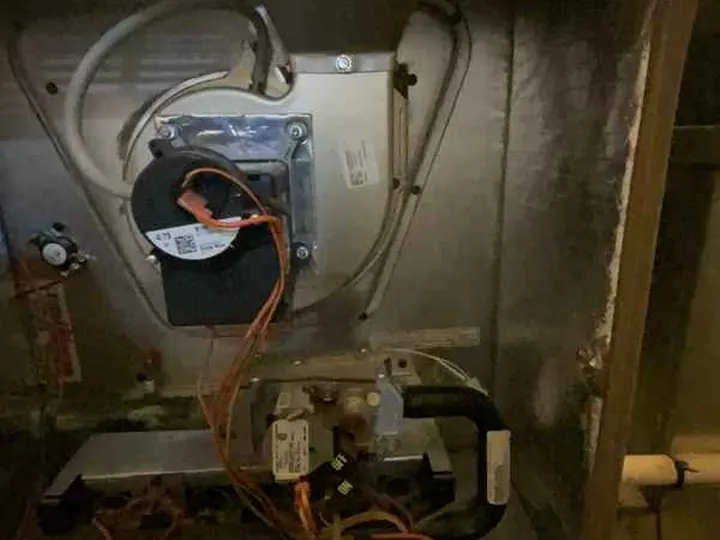
This is where winter wins. In July I can fire up a furnace and make sure it runs. In January, the house is actually depending on it. I see how it starts, how it runs, whether the rooms are holding temperature, and whether the house is comfortable or just barely surviving.
The thermal camera loves the cold
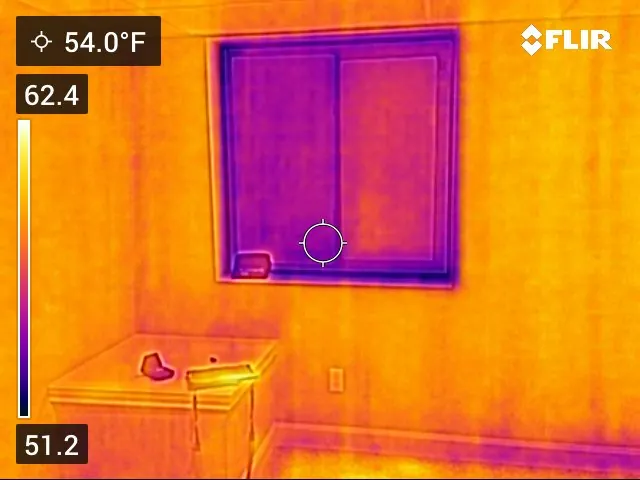
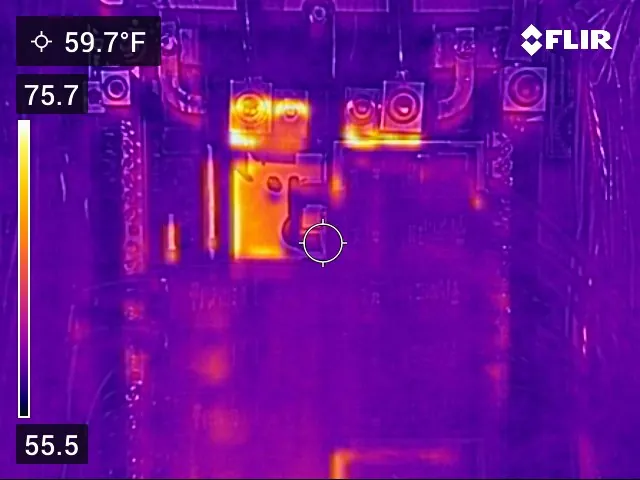
Thermal imaging works on temperature difference. The bigger the gap between inside and outside, the better missing insulation, air leaks and drafty windows show up. My FLIR scan is targeted, not wall-by-wall. I aim it at the panel, the windows and doors and anywhere something looks suspicious. In winter, those spots light up.
What snow hides outside
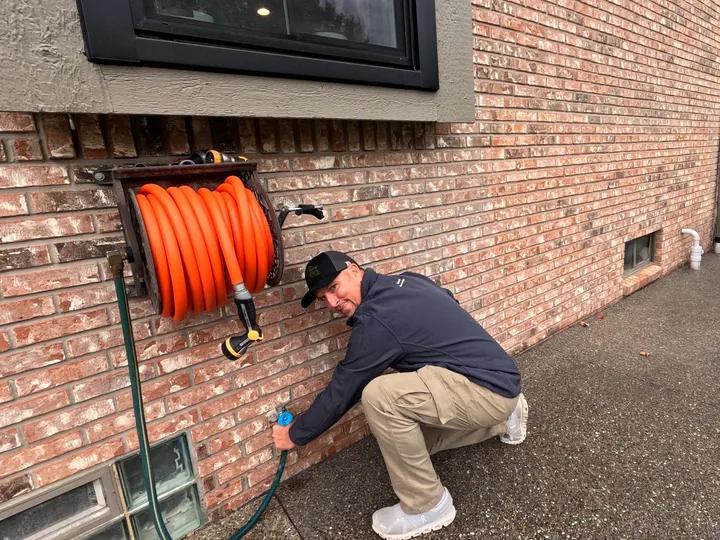
Grading, the driveway, patios, the bottom of the siding and window wells can all be buried. I’ll inspect what I can reach and tell you what I couldn’t. Hose bibs and exterior faucets are on my list, and so is anything that looks like it froze and split.
Vacant and winterized houses
Bank-owned and vacant houses are often winterized: water off, lines blown out, sometimes gas off too. If the utilities aren’t on, I can’t test the plumbing, the water heater or the furnace. Ask your agent to have the utilities on and the house de-winterized before the inspection. That one phone call is the difference between a real inspection and a list of “could not test.”
Bottom line
A winter inspection isn’t worse. It’s different. You get a better look at heat and insulation and a more limited look at the roof and the outside. The key is an inspector who tells you exactly which is which, in writing. That’s me.
Buying this winter?
Every buyer inspection starts at $449 and includes a drone roof flight (airspace and weather permitting), attic camera, a targeted FLIR thermal scan and the $3,000 InterNACHI® warranty. Report in 24 hours. Pay at close is available. Prices and what’s included are on the pricing page.
— KyleKyle Winn · Owner & Inspector · PreFlight Home Inspections · 586-522-8733