Home › Blog › Cleaned, Not Cured
Every toilet flushed. Every drain drained. If you judged the sewer by running the water upstairs, you’d sign off on both of these houses. I wouldn’t.
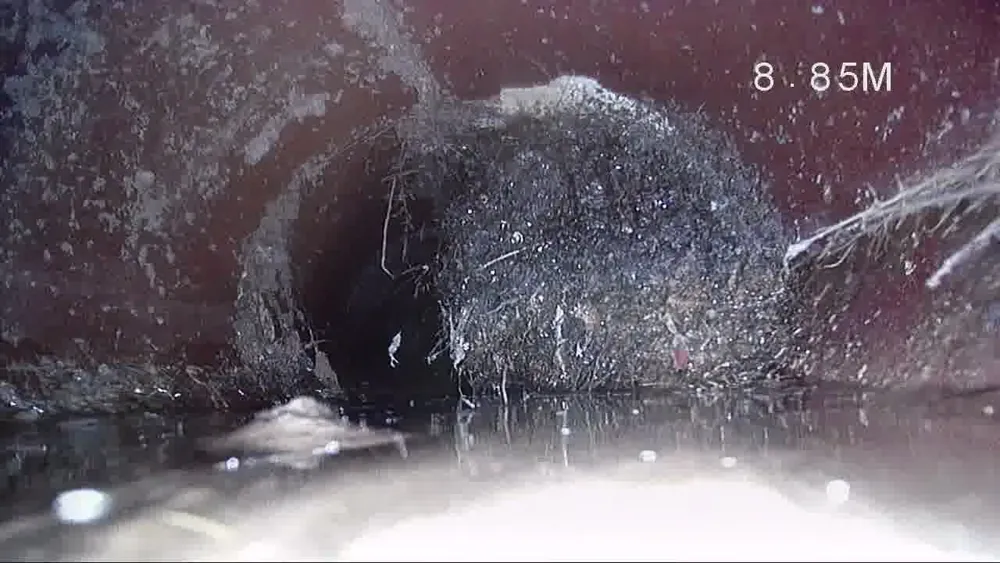
House one: freshly cleaned, and roots already moving back in
This was the same Warren house from Squawk 001, the sump pump dumping into the sewer. We scoped the line too.
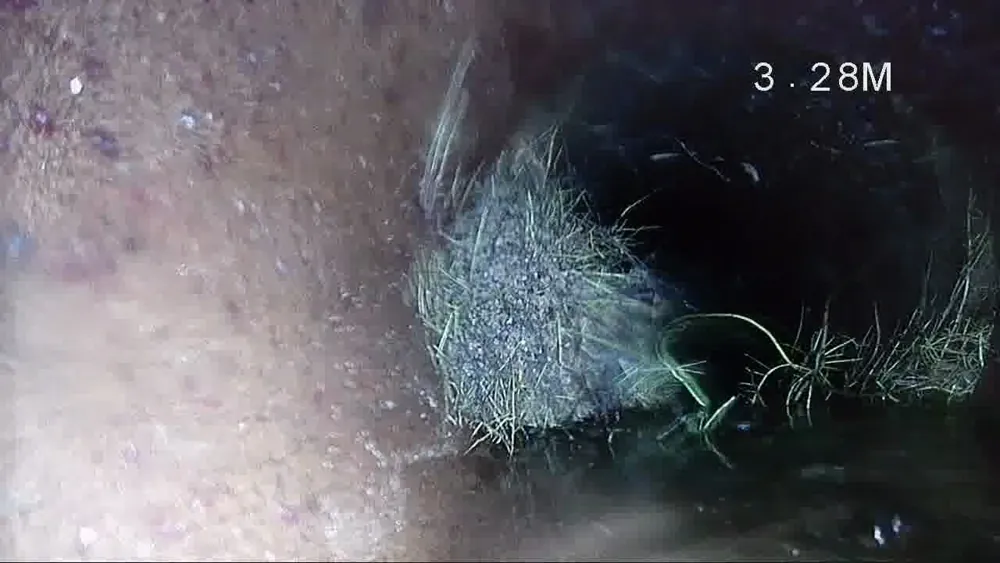
The lateral had recently been cleaned with a blade cleaner. It flowed fine. But about 30 feet out from the cleanout, the camera found a displaced joint with a root ball sitting right at it. Because the line had just been cleaned, the roots weren’t restricting flow that day. They will. Roots come back through the same joint, every time.
That line wasn’t a disaster. It was a maintenance plan: routine cleaning on a schedule, and another scope in a few years to make sure that joint isn’t getting worse. The point is the buyer knew. Before closing. Instead of finding out the first time the basement floor drain backed up.
House two: blocked solid at 29 feet
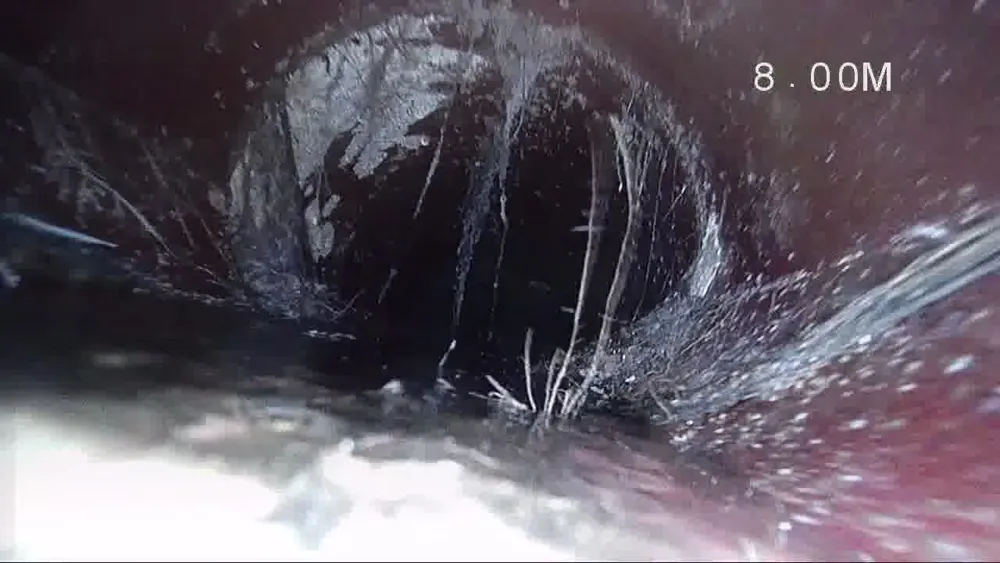
Detroit, older home. The line went from cast iron at the basement cleanout to clay pipe at about 10 feet. From there, it was roots at nearly every joint.
- Heavy roots at about 11 feet.
- A dense root curtain at about 14 feet, more at 16.
- Continuous root intrusion from about 19 to 22 feet.
- A belly holding standing water starting near 22 feet.
- A root mass that blocked the line completely at about 29 feet.
The camera couldn’t pass it, so the rest of the line out to the city connection couldn’t be evaluated. A clay line with that much root intrusion is going to keep backing up and keep failing. That one went on the report as a replacement recommendation, with a licensed sewer contractor to evaluate.
Why the flush test lies
Running water in a vacant house for a couple of hours is nothing like a family of four living there. A partly blocked line can pass a flush test for years. A freshly cleaned line can look great for months. Neither tells you what’s actually going on 30 feet under the front yard.
And the sewer lateral from your house to the city main is usually yours. Not the city’s. If it fails after closing, it’s your yard getting dug up.
Which houses need a scope
- Older homes. Clay and cast iron lines are common in a lot of Metro Detroit housing stock, and both age badly.
- Big trees in the yard. Roots find joints. That’s what they do.
- “The line was just cleaned.” Great. Then let’s see why it needed it.
- Anything vacant or a flip. Nobody’s been using the plumbing hard enough to find out.
What you get from me
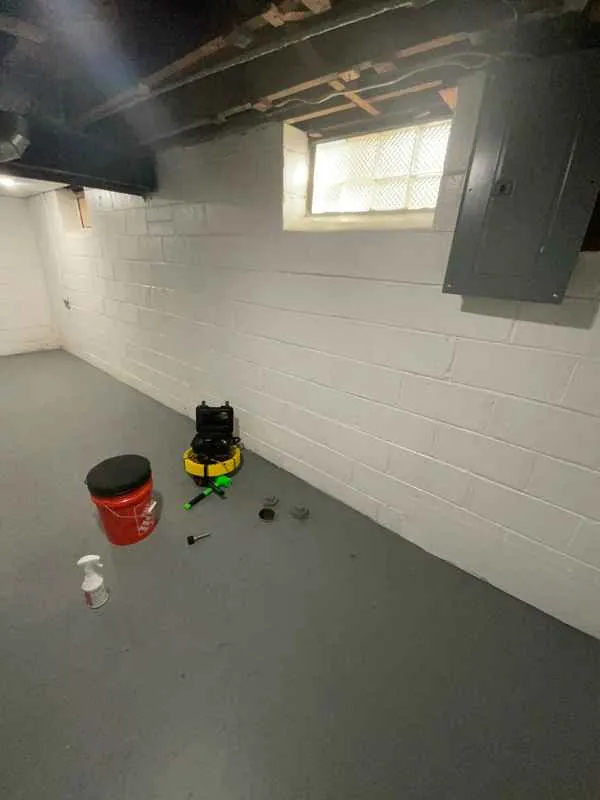
I run the camera from the cleanout as far as it will go, call out distances off the counter, and record the video so you, your agent or a sewer contractor can watch it yourselves. Defects are written up the same way as the rest of my report: what it is, why it matters, who should look at it. I’m sewer scope certified, and I tell you straight when the camera can’t get any further.
Buying an older home in Metro Detroit?
Add a sewer scope to your buyer inspection for $199, or book it alone for $299. The Complete Inspection bundles the inspection, a 48-hour radon test and a sewer scope from $749.
— KyleKyle Winn · Owner & Inspector · PreFlight Home Inspections · 586-522-8733